
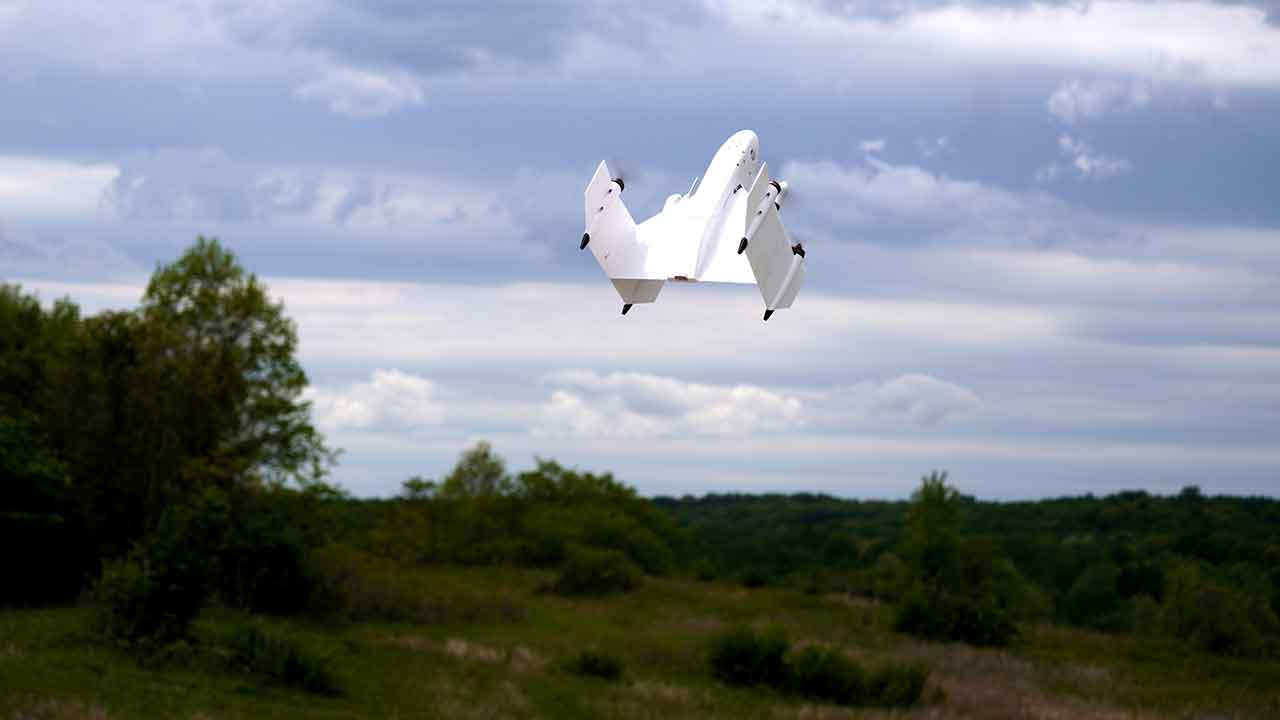
A US startup specialized in artificial intelligence drew attention after managing to shoot down a replica of the Iranian Shahed drone during military tests carried out in the United States.
The feat was achieved with the Halley, a small VTOL drone developed by Tycho.AI, which took part in the T-REX 26-2 exercise in Indiana. In addition to the aerial interception, the platform also demonstrated the ability to strike ground targets during the event.
The Halley completed 39 evaluated flights and reached a top speed of approximately 265 km/h, a performance considered unusual for Group 1 drones. The system was created to operate as a low-cost solution against threats such as the Shahed-136, a model used by Russia in attacks against Ukraine’s infrastructure and military facilities. The goal is to offer a cheaper and more efficient alternative for neutralizing kamikaze drones without relying on expensive weapons.
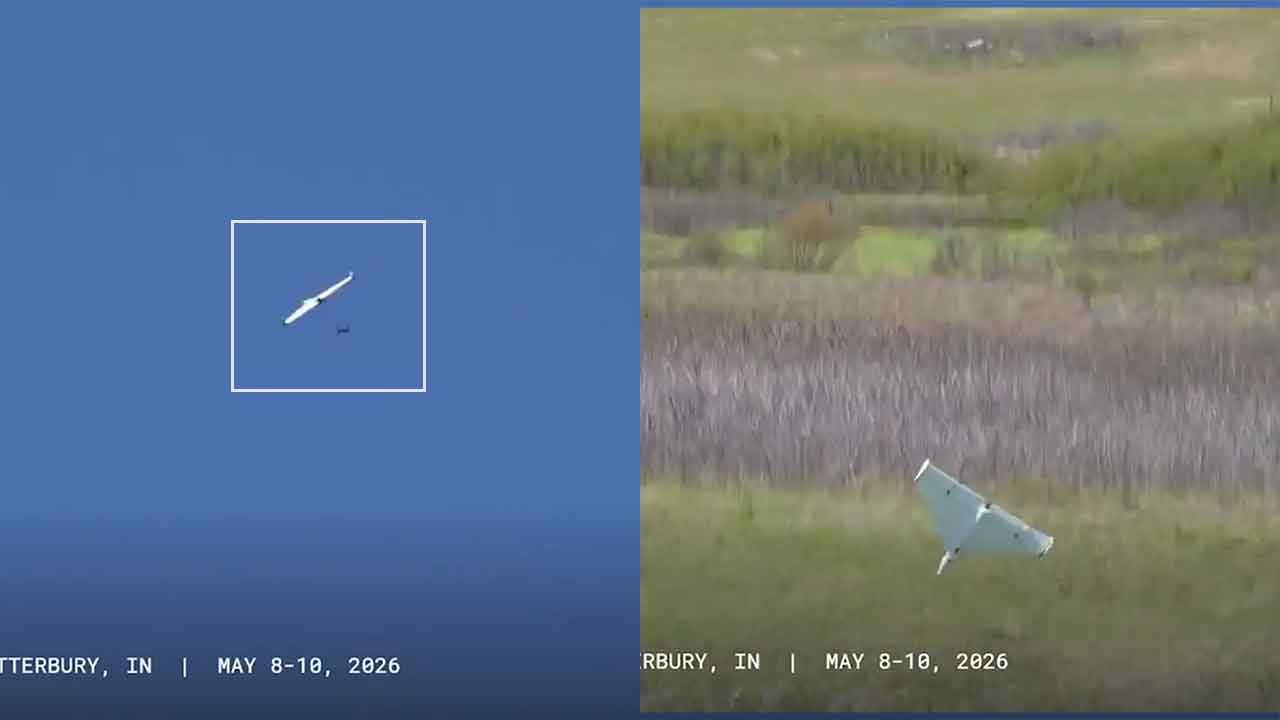
Another highlight of the project is its resistance to electronic interference. The drone uses onboard artificial intelligence to continue operating even in environments without GPS or under communications jamming. According to the company, the system can maintain autonomous navigation and transmit encrypted data even over limited connections, reducing the risk of hacking or loss of control in combat.
After the tests, the Halley reached Technology Readiness Level 6, indicating that the platform has already demonstrated operation under real operational conditions. Tycho.AI now intends to move toward large-scale production, integrate weapons into the system and expand the drone’s autonomous capabilities, with a particular focus on the interest of US special operations forces.
Source: Defence Blog | Images: Tycho.AI | This content was created with the help of AI and reviewed by the editorial team
